01
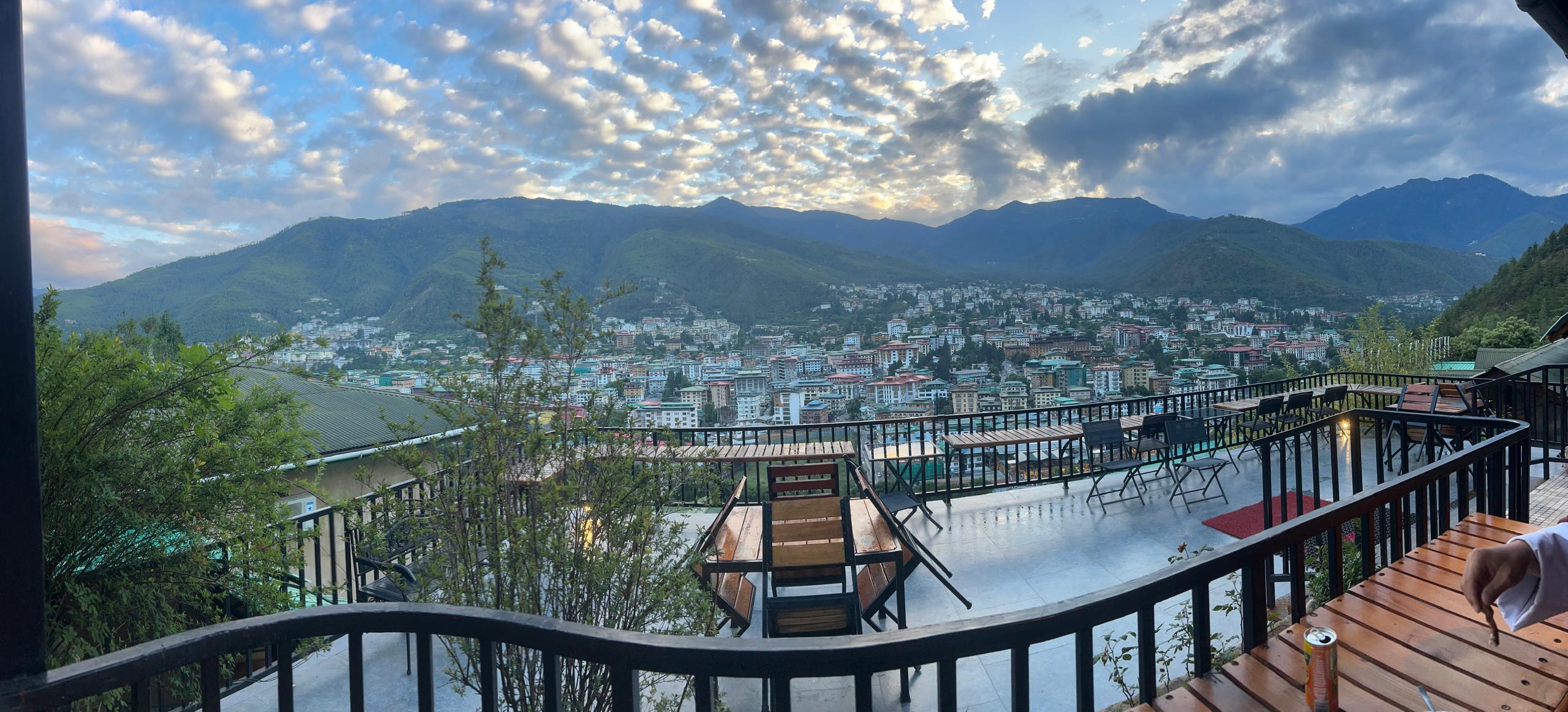
For most travelers, late September to November and March to May are the best windows — clear mountain views, comfortable daytime temperatures, and Bhutan's major festivals.
Outside those months isn't a bad time to go — it just trades one thing (crowds, or crisp skies) for another (quiet, or lower rates).
Bhutan's festival dates follow the Bhutanese lunar calendar and shift every year, so exact dates below are approximate — if a specific tsechu is the reason for your trip, get in touch and we'll confirm this year's dates before you book.
02
Spring is when Bhutan's valleys turn colorful — rhododendrons and magnolias bloom across the hillsides, and daytime temperatures in Paro, Thimphu, and Punakha are comfortably mild. Mountain views are generally good, though not always as crisp as autumn. The Paro Tshechu, one of Bhutan's most popular festivals, typically falls within this window.
- Good for
- First-time visitors, photography, moderate trekking, the Paro Tshechu
- Trade-off
- One of the busier seasons — book accommodation and permits early
03
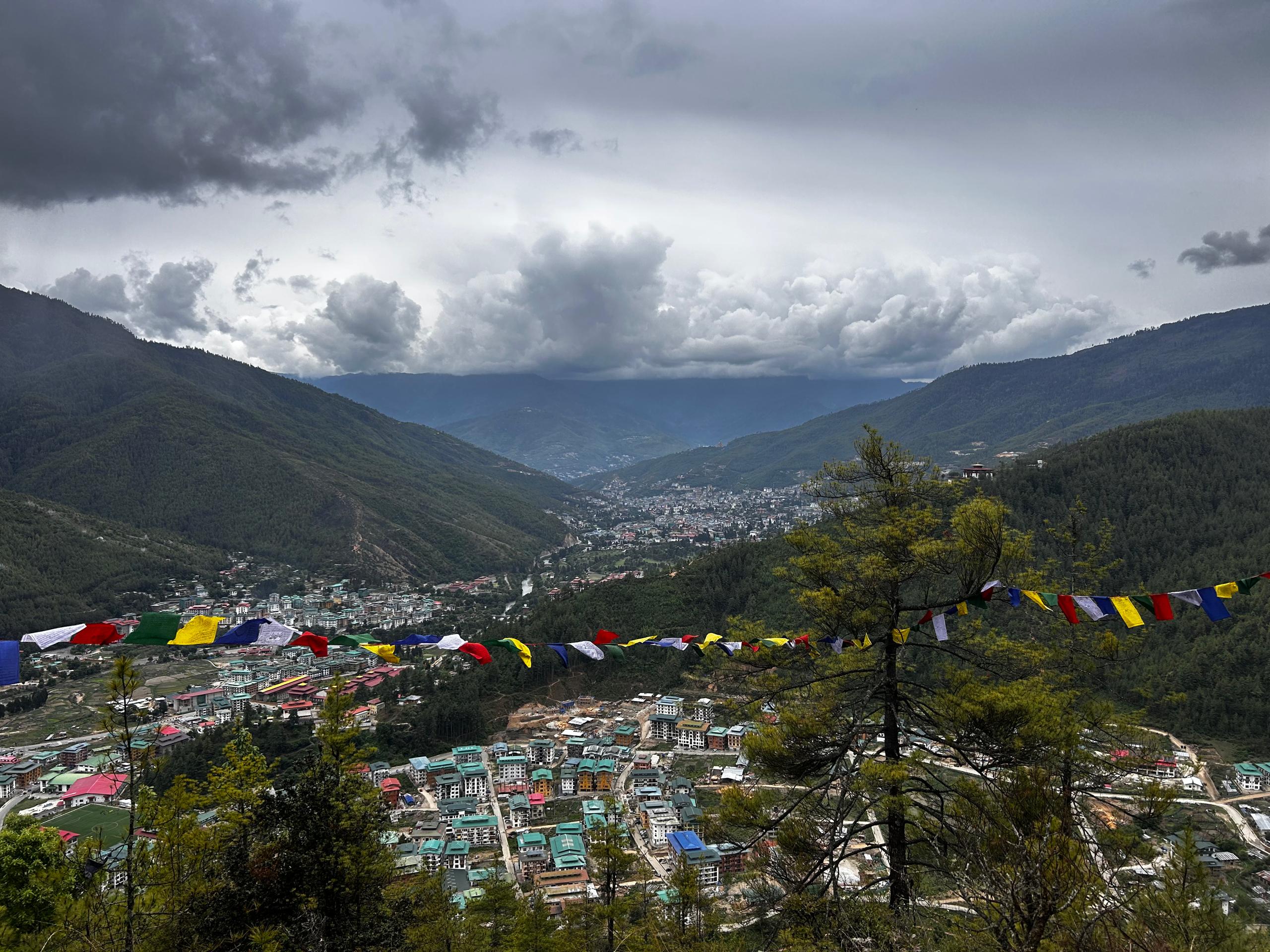
Bhutan's monsoon brings regular afternoon rain, especially in lower and southern regions, and cloud cover that can obscure mountain views. It's also when the valleys are at their greenest and most lush, and tourist numbers drop noticeably. High-altitude treks are best avoided in this window — trails turn muddy and leeches are common at lower elevations — but cultural touring in Paro, Thimphu, and Punakha remains very doable.
- Good for
- Quiet cultural touring, lush landscapes, travelers who don't mind rain
- Trade-off
- Cloud cover can hide mountain views; high-altitude trekking is difficult
04
Widely considered Bhutan's peak season, and for good reason: skies clear after the monsoon, mountain views are at their best, and the harvest season paints the valleys gold. The Thimphu Tshechu, one of the largest festivals in the country, typically falls in this window, and trekking conditions across the country are generally at their best.
- Good for
- Trekking, mountain photography, the Thimphu Tshechu, first-time visitors
- Trade-off
- Bhutan's busiest season — flights and permits should be booked well ahead
05
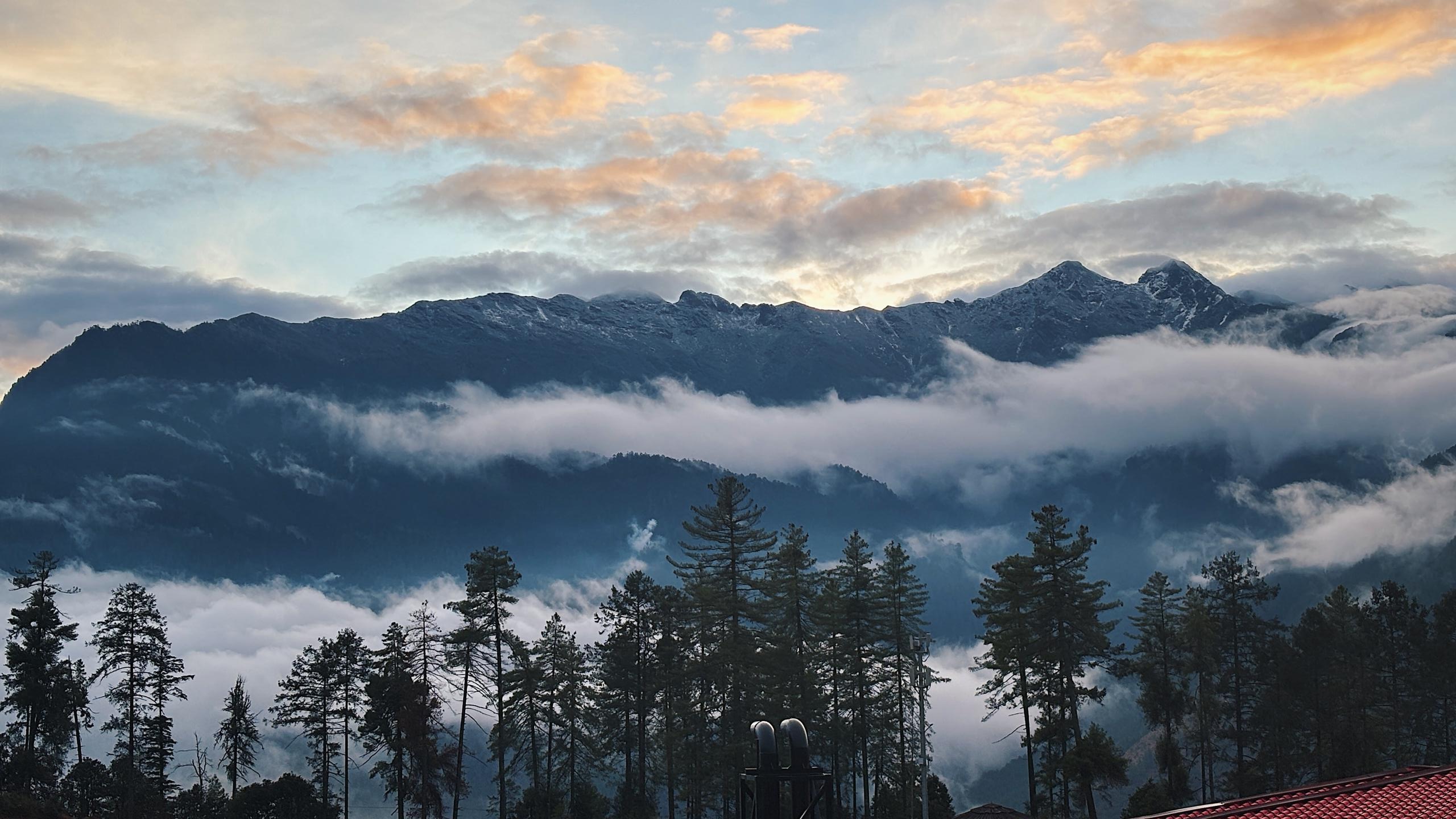
Winter brings crisp, clear skies and Bhutan's coldest temperatures, particularly at higher elevations — Thimphu and Paro can be quite cold at night, while Punakha, at a lower altitude, stays milder. It's also the quietest season for tourism. The endangered black-necked cranes migrate to Phobjikha Valley from around November through February, and the valley holds an annual Crane Festival to mark the season. Punakha's own tsechu (Punakha Drubchen and Tshechu) generally falls in February or March.
- Good for
- Clear photography, fewer crowds, black-necked cranes in Phobjikha
- Trade-off
- Cold at higher altitudes; some high mountain passes may close after snowfall